SICP - Software Innovation Campus Paderborn
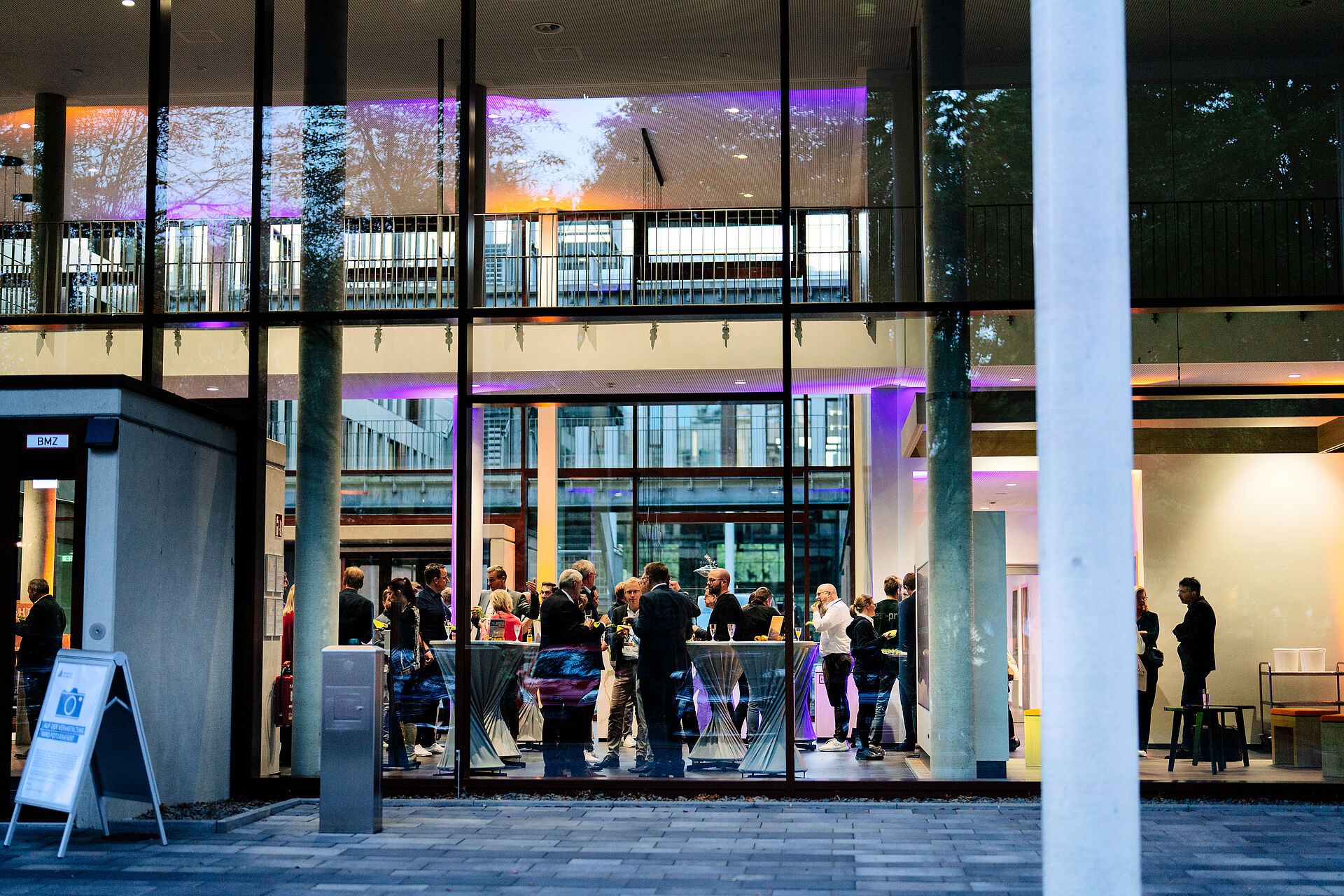
The SICP - Software Innovation Campus Paderborn is an interdisciplinary research and innovation campus. The digital solutions of the future are developed here in close cooperation between business and science.
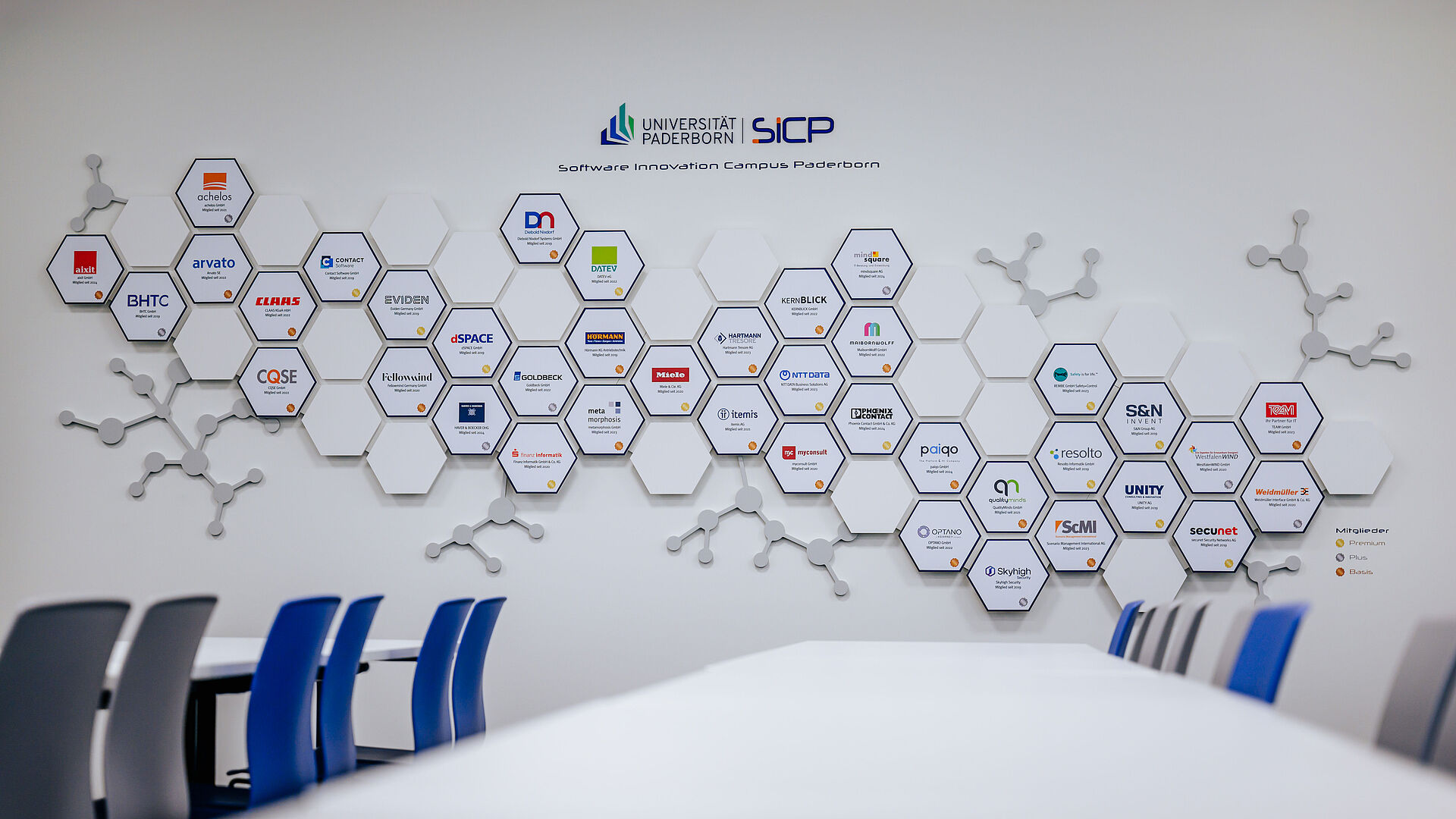
More than 30 member companies and over 30 professors from Paderborn University contribute their expertise and visions. The SICP unites the different worlds and ensures perfect matches when putting together project teams. We combine our expertise in the fields of AI, high-performance computing, IoT, digital security and software engineering to break new ground and develop intelligent solutions for innovative fields such as smart energy, advanced computing and seamless mobility.
In addition to the technological focus, we always address cross-cutting issues such as technology acceptance and human-machine interaction. Because we are convinced that only the intelligent combination of established technologies creates innovation!
„What makes the SICP special is our great team and the explicit focus of all our activities on cooperation between science, business and society in order to produce future-oriented and sustainable software- and data-driven innovations that generate high benefits.”

„Science can only shape a responsible digital future in cooperation with other social stakeholders. At the SICP, we conduct cutting-edge research that makes a difference: multidisciplinary, pioneering and with people at the center.”

„Cooperation and innovation are indispensable in the modern working world, but often end at company boundaries. At the SICP, research and application meet at eye level in a lively network in which we exchange knowledge in a spirit of trust and develop together.”


SICP magazine "update
The "update" magazine is aimed at everyone who wants to know what is happening at the SICP - members and those who would like to become members, current and potential partners, i.e.: member companies and their employees, professors, employees and students of the SI-Lab and all interested parties in society, politics, companies, universities and research institutions. Subscribe to our SICP magazine here free of charge.
Projekte
KuMuS-ProNeD - Professional Networks for Promoting Adaptive, Action-Oriented, Digital Innovations in Teacher Education in the Fields of Art, Music, and Sports
Post-performative music practices in post-digital learning and educational culture (sub-project Paderborn)Music Beyond Live PerformanceSince the invention of the gramophone, there has existed music that cannot or should not be performed live. Examples include music production in (digital) recording studios, film scores, music videos, techno, ...
Duration: 07/2023 - 02/2026
TRR 318 - Project B6: Ethics and normativity of explainable AI
Research on explaining and explainability needs ethical reflection, because explanations can be used to manipulate users or to create acceptance for a technology that is ethically or legally unacceptable. Moreover, designing explainability to meet ethical demands (e.g., justifiability, accountability, autonomy) must not necessarily be in line with ...
Duration: 07/2023 - 12/2025
Katholische Schulen – Digitaler Profilnavigator
Die Entwicklung eines Instruments zur Reflexion des spezifischen Profils Katholischer Schulen greift Forschungsergebnisse des Projektes „Profilbildung Katholischer Schulen“ (2019-2023) auf und verdichtet sie entlang der Perspektiven: (1) Wissensordnungen, (2) Verbreiterung und (3) Theorie-Praxis-Transfer. Einzelfallanalysen an Katholischen Schulen ...
Duration: 07/2023 - 06/2026
Our areas of expertise


Member companies
Our areas of innovation


Current events
SICP live